
Transformers are among the most important devices in modern electrical systems. From power plants and industrial factories to household chargers and electronic devices, transformers make it possible to transmit and use electricity efficiently and safely. Without transformers, long-distance power transmission would be extremely inefficient, and modern electrical infrastructure would not exist in its current form.
This article explains how transformers work, their core components, operating principles, types, applications, advantages, and limitations in a practical and engineering-focused manner.
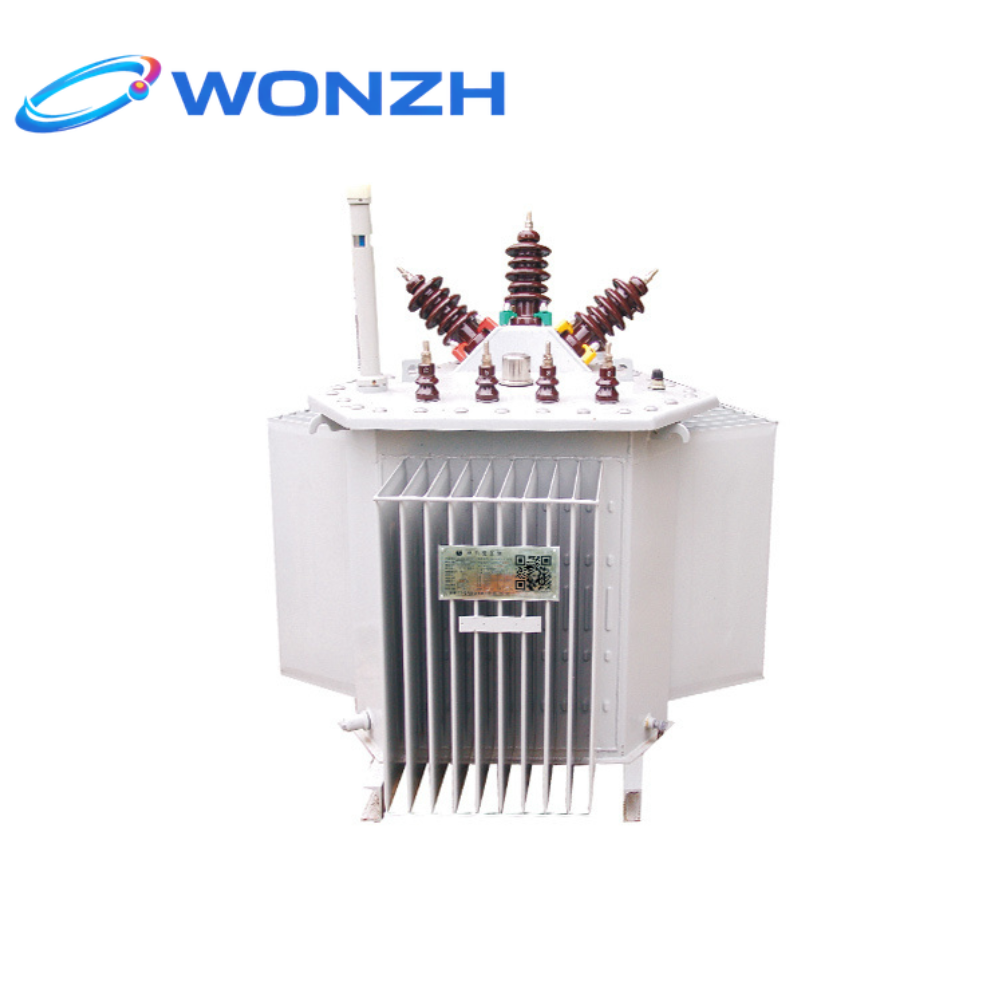
What Is a Transformer?
A transformer is an electrical device that transfers electrical energy between two or more circuits through electromagnetic induction. Its primary function is to increase or decrease voltage levels in alternating current (AC) systems.
Transformers can:
- Step up voltage for efficient power transmission
- Step down voltage for safe equipment operation
- Provide electrical isolation
- Match impedance in electronic systems
The operating principle of a transformer is based on Faraday’s Law of Electromagnetic Induction.
The Basic Principle of Transformer Operation
A transformer works by converting electrical energy into a magnetic field and then back into electrical energy.
The relationship between voltage and coil turns is:
VsVp=NsNp
Where:
- Vp = Primary voltage
- Vs = Secondary voltage
- Np = Number of turns in the primary winding
- Ns = Number of turns in the secondary winding
If the secondary winding has more turns than the primary winding, the transformer increases voltage (step-up transformer). If it has fewer turns, the voltage decreases (step-down transformer).
Main Components of a Transformer
1. Primary Winding
The primary winding receives alternating current from the power source. This current creates a changing magnetic field around the coil.
2. Secondary Winding
The secondary winding receives energy from the magnetic field generated by the primary winding. The induced voltage depends on the turns ratio.
3. Magnetic Core
The magnetic core provides a low-reluctance path for magnetic flux. Most power transformers use laminated silicon steel cores to reduce energy losses caused by eddy currents.
4. Insulation System
Insulation separates conductive parts and prevents short circuits. Materials may include:
- Paper insulation
- Transformer oil
- Epoxy resin
- Polymer materials
5. Cooling System
Transformers generate heat during operation. Cooling methods include:
- Air cooling
- Oil immersion cooling
- Forced oil circulation
- Water cooling for large industrial transformers
Step-by-Step: How a Transformer Works
Step 1: AC Voltage Is Applied
Alternating current enters the primary winding. Because AC continuously changes direction, the magnetic field also changes continuously.
Step 2: Magnetic Flux Is Generated
The changing current produces magnetic flux in the transformer core.
Faraday’s Law states:
E=−NdtdΦ
Where:
- E = Induced electromotive force (EMF)
- N = Number of turns
- Φ = Magnetic flux
This changing magnetic field is essential for transformer operation.
Step 3: Voltage Is Induced in the Secondary Coil
The magnetic flux passes through the secondary winding, inducing voltage through electromagnetic induction.
No direct electrical connection exists between the two windings. Energy transfer occurs entirely through the magnetic field.
Step 4: Electrical Energy Is Delivered to the Load
When a load is connected to the secondary winding, current flows and electrical power is transferred to the output device.
Why Transformers Only Work with AC
Transformers require a changing magnetic field to induce voltage. Direct current (DC) creates a constant magnetic field after stabilization, which cannot continuously induce voltage in the secondary winding.
Therefore:
- Transformers operate with AC
- Standard transformers do not function properly with DC power
Special electronic converters are required for DC voltage transformation.
Step-Up vs. Step-Down Transformers
Step-Up Transformer
A step-up transformer increases voltage while decreasing current.
Applications
- Power generation stations
- Long-distance transmission lines
- High-voltage industrial systems
Step-Down Transformer
A step-down transformer reduces voltage while increasing current.
Applications
- Household power supplies
- Electronic chargers
- Industrial control systems
Transformer Efficiency
Modern transformers are extremely efficient, often achieving efficiencies above 95% and sometimes exceeding 99% in large power systems.
Efficiency is calculated using:
η=PinPout×100%
Where:
- η = Efficiency
- Pout = Output power
- Pin = Input power
Common Transformer Losses
Although transformers are highly efficient, some energy losses always occur.
1. Copper Losses
Copper losses occur due to resistance in the windings.
These losses increase with current.
2. Core Losses
Core losses include:
Hysteresis Loss
Energy lost due to repeated magnetization cycles.
Eddy Current Loss
Circulating currents generated inside the core material create heat.
Laminated cores help minimize these losses.
3. Leakage Flux
Not all magnetic flux links both windings perfectly, reducing efficiency slightly.
Types of Transformers
Power Transformers
Used in electrical grids for high-voltage transmission.
Distribution Transformers
Deliver electricity to homes and commercial buildings.
Isolation Transformers
Provide electrical isolation for safety and noise reduction.
Instrument Transformers
Used for measurement and protection systems.
Examples include:
- Current transformers (CT)
- Voltage transformers (VT)
Autotransformers
Use a single winding for both input and output, reducing size and cost.
Industrial Applications of Transformers
Transformers are widely used across industries.
Power Generation and Distribution
Electrical utilities rely on transformers for voltage regulation across transmission networks.
Manufacturing Equipment
Industrial machinery often requires multiple voltage levels for motors, controls, and automation systems.
Renewable Energy Systems
Solar and wind energy systems use transformers for grid integration.
Electronics and Communication
Transformers are found in:
- Chargers
- Adapters
- Audio systems
- Telecommunications equipment
Safety Considerations
Proper transformer maintenance is essential for operational safety and reliability.
Important considerations include:
- Insulation monitoring
- Oil testing
- Temperature management
- Grounding systems
- Overload protection
Failure to maintain transformers can lead to overheating, insulation breakdown, and catastrophic equipment failure.
Advantages of Transformers
Transformers provide many benefits:
- High energy efficiency
- Reliable voltage conversion
- Long operational lifespan
- Minimal moving parts
- Scalable for small and large systems
Limitations of Transformers
Despite their advantages, transformers also have limitations:
- Only operate with AC
- Can be large and heavy
- Heat generation requires cooling
- High-voltage systems require strict insulation design
The Future of Transformer Technology
Modern transformer development focuses on:
- Higher efficiency materials
- Smart monitoring systems
- Compact high-frequency designs
- Eco-friendly insulating fluids
- Integration with renewable energy and smart grids
Advanced materials such as amorphous metal cores and silicon carbide power electronics are improving transformer performance and reducing energy losses.
Conclusion
Transformers are fundamental devices in electrical engineering that enable efficient voltage conversion and energy transmission. By using electromagnetic induction, transformers safely transfer electrical energy between circuits while adjusting voltage levels for different applications.
From national power grids to industrial automation and consumer electronics, transformers remain essential to modern technology and energy infrastructure. Understanding how transformers work provides valuable insight into the foundation of global electrical systems.