
Transformers are among the most critical components in modern electrical infrastructure. They are widely used in power plants, substations, industrial manufacturing facilities, renewable energy systems, commercial buildings, and transmission networks. Their primary function is to transfer electrical energy efficiently by stepping voltage levels up or down while maintaining system stability.
Because transformers operate continuously under electrical, thermal, and mechanical stress, proper maintenance and timely repair are essential for ensuring operational reliability, extending equipment lifespan, and minimizing costly downtime.
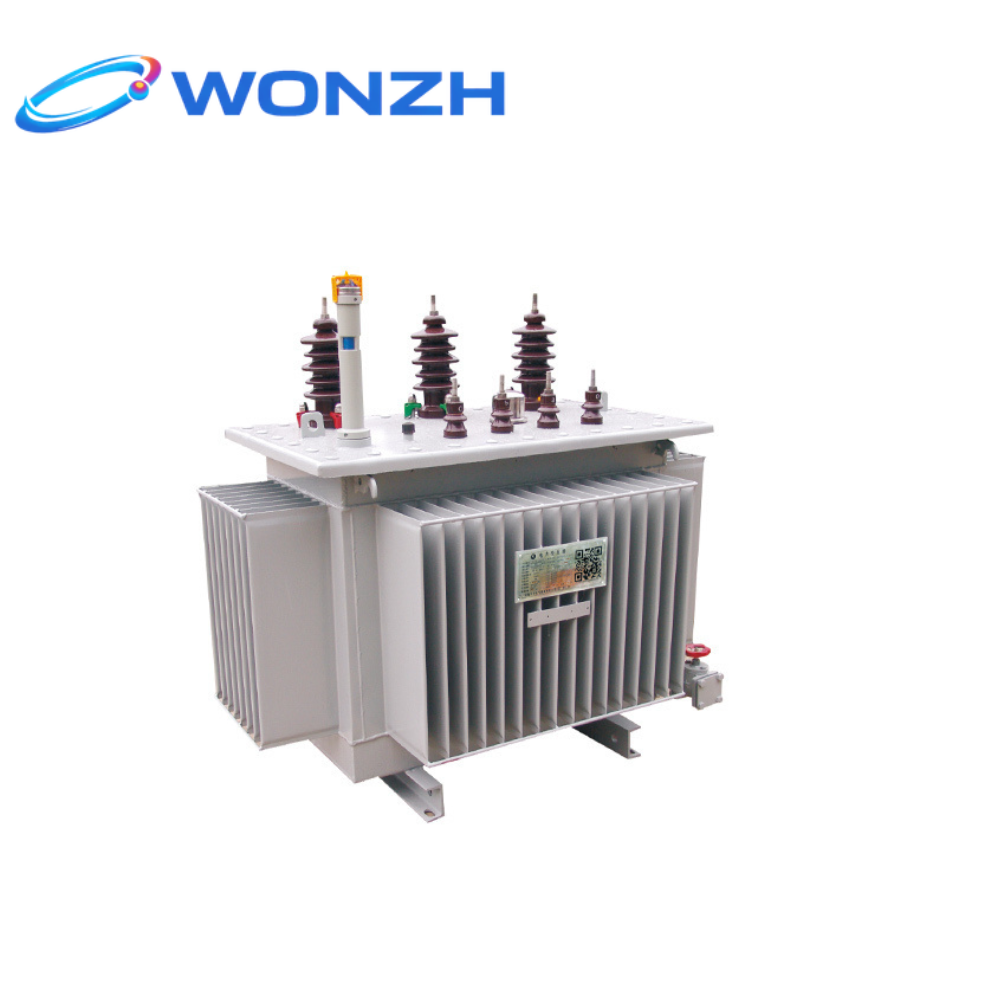
What Is Transformer Maintenance and Repair?
Transformer maintenance refers to the routine inspection, testing, monitoring, and servicing performed to keep a transformer operating safely and efficiently.
Transformer repair involves diagnosing and correcting faults after abnormalities or failures occur. Repairs may include replacing damaged components, restoring insulation systems, repairing windings, or refurbishing cooling equipment.
Together, maintenance and repair form the foundation of transformer asset management.
Why Transformer Maintenance Is Important
1. Improving System Reliability
Unexpected transformer failures can cause major disruptions in industrial production and power distribution systems. Regular maintenance helps identify hidden problems before they develop into serious failures.
2. Extending Transformer Service Life
Most power transformers are designed for operational lifespans of 20 to 40 years. However, long-term reliability depends heavily on maintenance quality.
Factors that accelerate aging include:
- Excessive heat
- Moisture contamination
- Overloading
- Insulation degradation
- Oil deterioration
3. Reducing Downtime Costs
Transformer failures can lead to:
- Production shutdowns
- Power interruptions
- Equipment damage
- Data center outages
- Financial losses
Preventive maintenance significantly reduces these operational risks.
Common Transformer Failures
Winding Failures
Transformer windings are exposed to electrical stress, thermal expansion, and short-circuit forces.
Common winding problems include:
- Inter-turn short circuits
- Winding deformation
- Insulation breakdown
Core Faults
Core-related issues may include:
- Core grounding faults
- Local overheating
- Magnetic flux leakage
These faults can increase energy losses and operating temperatures.
Insulation Aging
The insulation system is one of the most important parts of a transformer.
Insulation deterioration may result from:
- High operating temperatures
- Oxidation
- Moisture ingress
- Partial discharge activity
Transformer Oil Degradation
Oil-immersed transformers rely on insulating oil for both cooling and electrical insulation.
Over time, transformer oil may contain:
- Water contamination
- Acid formation
- Dissolved gases
- Sludge deposits
Oil degradation reduces dielectric strength and cooling performance.
Cooling System Failures
Cooling systems are essential for heat dissipation.
Typical cooling problems include:
- Fan failure
- Oil pump malfunction
- Blocked radiators
- Reduced airflow
Insufficient cooling can cause dangerous overheating.
Routine Transformer Maintenance Procedures
Visual Inspection
Operators should regularly inspect transformers for:
- Oil leakage
- Damaged bushings
- Loose electrical connections
- Corrosion
- Unusual vibration or noise
Temperature Monitoring
Temperature is a key indicator of transformer health.
Important monitoring points include:
- Top oil temperature
- Winding temperature
- Ambient temperature
Abnormal temperature rises often indicate internal faults.
Insulation Testing
Insulation testing evaluates the condition of the transformer’s dielectric system.
Common tests include:
- Insulation resistance testing
- Polarization index testing
- Dielectric absorption ratio testing
These tests help detect insulation deterioration early.
Transformer Oil Analysis
Oil analysis is one of the most effective predictive maintenance techniques.
Typical oil tests include:
- Breakdown voltage testing
- Moisture analysis
- Acid number testing
- Dissolved Gas Analysis (DGA)
DGA can identify developing faults such as:
- Partial discharge
- Overheating
- Arcing
- Electrical discharge
Bushing Maintenance
Bushings are exposed to outdoor contamination and environmental stress.
Maintenance activities include:
- Cleaning insulation surfaces
- Inspecting for cracks
- Measuring dielectric loss
Transformer Repair Methods
Preventive Maintenance
Preventive maintenance follows scheduled service intervals.
Benefits include:
- Reduced failure rates
- Improved reliability
- Predictable maintenance costs
Condition-Based Maintenance
Condition-based maintenance uses monitoring data to determine when servicing is required.
Modern diagnostic technologies include:
- Infrared thermography
- Online partial discharge monitoring
- Online DGA systems
- Thermal sensors
This approach improves maintenance efficiency and reduces unnecessary servicing.
Corrective Repair
Corrective repair is performed after a failure occurs.
Repair activities may include:
- Rewinding transformer coils
- Replacing insulation materials
- Repairing the magnetic core
- Replacing tap changers
- Oil purification and filtration
On-Load Tap Changer (OLTC) Maintenance
The On-Load Tap Changer (OLTC) is one of the most failure-prone transformer components.
Its purpose is to regulate output voltage without interrupting power supply.
Common OLTC problems include:
- Contact wear
- Carbon deposits
- Increased contact resistance
- Arc damage
Maintenance typically involves:
- Contact replacement
- Mechanical inspection
- Timing analysis
- Oil compartment inspection
Oil-Immersed vs. Dry-Type Transformer Maintenance
Oil-Immersed Transformers
Maintenance priorities include:
- Oil quality monitoring
- Leak inspection
- Cooling system servicing
These transformers are commonly used in:
- High-voltage substations
- Utility grids
- Industrial power systems
Dry-Type Transformers
Dry-type transformers require:
- Dust removal
- Ventilation inspection
- Surface insulation cleaning
They are commonly used in:
- Commercial buildings
- Hospitals
- Data centers
- Underground transportation systems
Smart Transformer Maintenance Technologies
Modern transformer maintenance increasingly relies on digital monitoring systems.
Advanced technologies include:
- IoT-based remote monitoring
- AI fault prediction
- Online thermal analysis
- Cloud-based diagnostics
- Smart alarm systems
These technologies support predictive maintenance strategies and improve operational reliability.
Transformer Maintenance in Renewable Energy Systems
Renewable energy transformers face unique operating conditions such as:
- Voltage fluctuations
- Harmonic distortion
- Harsh outdoor environments
Wind and solar power systems require transformers with enhanced:
- Moisture resistance
- Thermal management
- Harmonic tolerance
Proper maintenance is especially important in renewable energy applications.
How to Develop an Effective Maintenance Plan
An effective transformer maintenance strategy should consider:
- Transformer capacity
- Operating age
- Load conditions
- Environmental factors
- Historical fault records
Balancing maintenance cost and operational reliability is essential for long-term asset performance.
Safety Considerations During Transformer Maintenance
Transformer maintenance must follow strict electrical safety procedures.
Key safety measures include:
- Power isolation and lockout procedures
- Grounding protection
- High-voltage safety equipment
- Fire prevention systems
- Arc flash protection
Oil-filled transformers require additional fire safety precautions due to flammable insulating oil.
Future Trends in Transformer Maintenance
The future of transformer maintenance is moving toward:
- Intelligent diagnostics
- Predictive analytics
- Automated inspection systems
- AI-driven condition assessment
- Low-carbon maintenance technologies
As smart grid infrastructure expands, transformer maintenance will become increasingly digitalized and data-driven.
Conclusion
Transformer maintenance and repair play a critical role in ensuring power system reliability, operational safety, and long equipment life. Through preventive maintenance, advanced diagnostics, and intelligent monitoring technologies, companies can reduce failure risks, minimize downtime, and optimize operating costs.
Whether in industrial manufacturing, utility power systems, or renewable energy applications, professional transformer maintenance remains essential for maintaining stable and efficient electrical infrastructure.