
Transformers are essential electrical devices used to transfer electrical energy between circuits through electromagnetic induction. They are widely used in power distribution systems, factories, renewable energy projects, construction sites, and residential applications.
One of the most common questions buyers ask is: “How much is a transformer?” The answer depends on several technical and commercial factors, including transformer type, power rating, voltage class, cooling method, efficiency standards, and customization requirements.
This article explains transformer pricing in detail and provides practical insights for industrial buyers, contractors, and engineers.
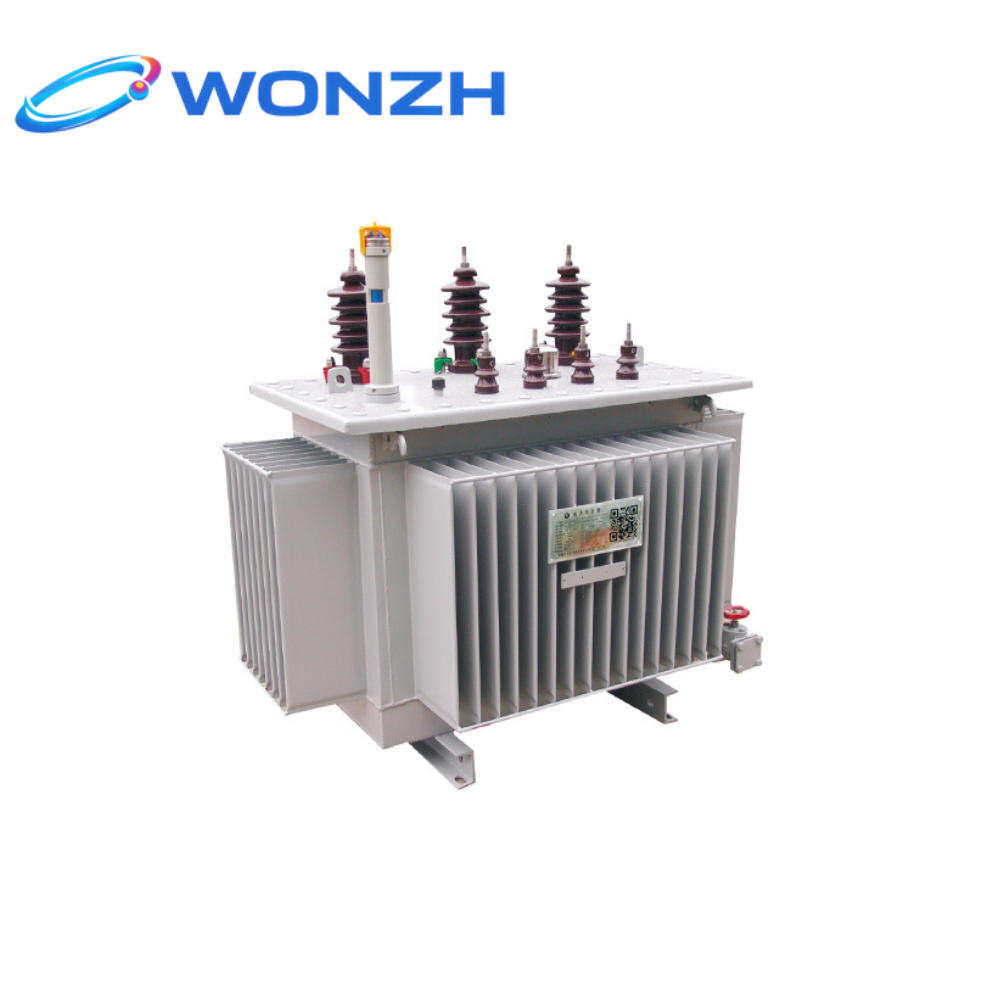
What Determines the Price of a Transformer?
Transformer prices vary significantly because every project has different electrical and operational requirements. The following factors have the biggest impact on cost.
1. Transformer Capacity (kVA or MVA)
The larger the transformer capacity, the higher the price.
Typical ranges include:
| Transformer Size | Common Application | Estimated Price Range |
|---|---|---|
| 10–50 kVA | Residential & small commercial | $500–$3,000 |
| 100–500 kVA | Commercial buildings | $3,000–$15,000 |
| 1–5 MVA | Industrial plants | $15,000–$100,000 |
| 10 MVA+ | Utility substations | $100,000–$1 million+ |
Large power transformers require more copper, silicon steel, insulation materials, and complex cooling systems, which increase manufacturing costs.
2. Transformer Type
Different transformer types are designed for different operating environments.
Oil-Immersed Transformers
Oil-filled transformers are commonly used in outdoor power distribution systems. They offer:
- High efficiency
- Excellent cooling performance
- Lower cost for large capacities
Typical price range:
- Small distribution units: $2,000–$20,000
- Large utility transformers: $50,000–$500,000+
Dry-Type Transformers
Dry-type transformers use air cooling instead of oil and are often installed indoors.
Advantages include:
- Better fire safety
- Lower environmental risk
- Reduced maintenance
However, dry-type transformers are usually more expensive than oil-filled units of the same capacity.
Typical price range:
- $3,000–$200,000+
3. Voltage Level
Higher voltage transformers require more advanced insulation systems and safety designs.
Examples:
| Voltage Class | Typical Use | Relative Cost |
|---|---|---|
| Low Voltage (<1kV) | Buildings & machinery | Low |
| Medium Voltage (1–35kV) | Industrial distribution | Medium |
| High Voltage (66kV+) | Utilities & substations | High |
High-voltage transformers may cost several times more than low-voltage models with the same power rating.
4. Material Costs
Transformer manufacturing depends heavily on raw materials such as:
- Copper or aluminum windings
- Grain-oriented silicon steel
- Insulation paper
- Transformer oil
- Structural steel
Copper prices have a major influence on global transformer pricing. When copper markets rise, transformer costs often increase rapidly.
5. Energy Efficiency Standards
Modern transformers must meet increasingly strict efficiency regulations.
Higher-efficiency transformers:
- Reduce energy loss
- Lower operating costs
- Improve long-term ROI
But they also require:
- Better core materials
- Improved winding designs
- Advanced manufacturing processes
This raises initial purchase costs by approximately 10–30%.
Average Transformer Prices by Application
Residential Transformers
Pole-mounted or pad-mounted residential transformers typically cost:
- $1,000–$10,000
These are commonly used by utilities to supply neighborhoods and housing developments.
Commercial Transformers
Commercial buildings such as offices, malls, and hospitals often use dry-type transformers.
Typical pricing:
- $5,000–$50,000
The final price depends on:
- Indoor vs outdoor installation
- Noise requirements
- Fire safety standards
- Voltage configuration
Industrial Transformers
Factories and heavy industrial facilities require larger transformers with high load capacity.
Typical pricing:
- $20,000–$500,000+
Industrial transformers may also include:
- Harmonic mitigation
- Special cooling systems
- Corrosion-resistant enclosures
- Smart monitoring systems
Renewable Energy Transformers
Solar farms and wind power projects use specialized transformers designed for renewable integration.
Typical pricing:
- $10,000–$300,000+
These transformers often require:
- High efficiency
- Outdoor durability
- Grid synchronization compatibility
Why Transformer Prices Increased in Recent Years
Global transformer prices have risen due to several market factors:
Rising Copper and Steel Costs
Raw material inflation continues to impact manufacturing expenses worldwide.
Growing Power Infrastructure Demand
Rapid expansion of:
- Data centers
- EV charging networks
- Renewable energy projects
has increased demand for transformers globally.
Supply Chain Challenges
Longer lead times for electrical steel and semiconductor components have affected production schedules and pricing.
Stricter Energy Regulations
Governments worldwide are enforcing higher efficiency standards, increasing manufacturing complexity.
How to Reduce Transformer Procurement Costs
Industrial buyers can reduce costs by following several strategies.
Select the Correct Capacity
Oversized transformers increase both purchase and operating costs. Proper load calculations are essential.
Compare Multiple Suppliers
Different manufacturers may offer significant price differences for similar specifications.
Consider Lifecycle Cost
A cheaper transformer may consume more electricity over time. Energy-efficient models often provide better long-term savings.
Standardize Specifications
Customized transformers cost more. Using standard voltage and enclosure designs can reduce lead time and price.
New vs Used Transformers
New Transformers
Advantages:
- Full warranty
- Latest efficiency standards
- Longer service life
Disadvantages:
- Higher upfront cost
Used or Refurbished Transformers
Advantages:
- Lower initial investment
- Faster delivery
Disadvantages:
- Shorter lifespan
- Possible hidden wear
- Limited warranty
Used transformers may cost 30–60% less than new units, depending on condition and age.
How Long Does a Transformer Last?
A high-quality transformer can last:
- 20–40 years for distribution transformers
- 30–50 years for utility power transformers
Proper maintenance greatly affects lifespan.
Key maintenance activities include:
- Oil testing
- Thermal monitoring
- Insulation inspection
- Cooling system maintenance
Final Thoughts
Transformer pricing depends on many technical and market-related factors. Small residential transformers may cost only a few thousand dollars, while utility-scale power transformers can exceed several million dollars.
When evaluating transformer costs, buyers should focus not only on the purchase price but also on:
- Energy efficiency
- Reliability
- Maintenance requirements
- Lifecycle operating costs
Choosing the right transformer supplier and specification can significantly improve long-term project performance and reduce operational expenses.