
Selecting the appropriate power transformer is one of the most important decisions in designing and operating a reliable electrical distribution system. Power transformers directly influence energy efficiency, operational safety, equipment reliability, and long-term maintenance costs. In industrial facilities, commercial buildings, renewable energy projects, and infrastructure systems, choosing the correct transformer configuration is essential for stable and efficient power delivery.
Modern facilities often face increasing electrical loads, stricter energy regulations, and more complex operational requirements. Therefore, transformer selection must consider not only voltage conversion requirements but also environmental conditions, installation limitations, future expansion, and overall lifecycle performance.
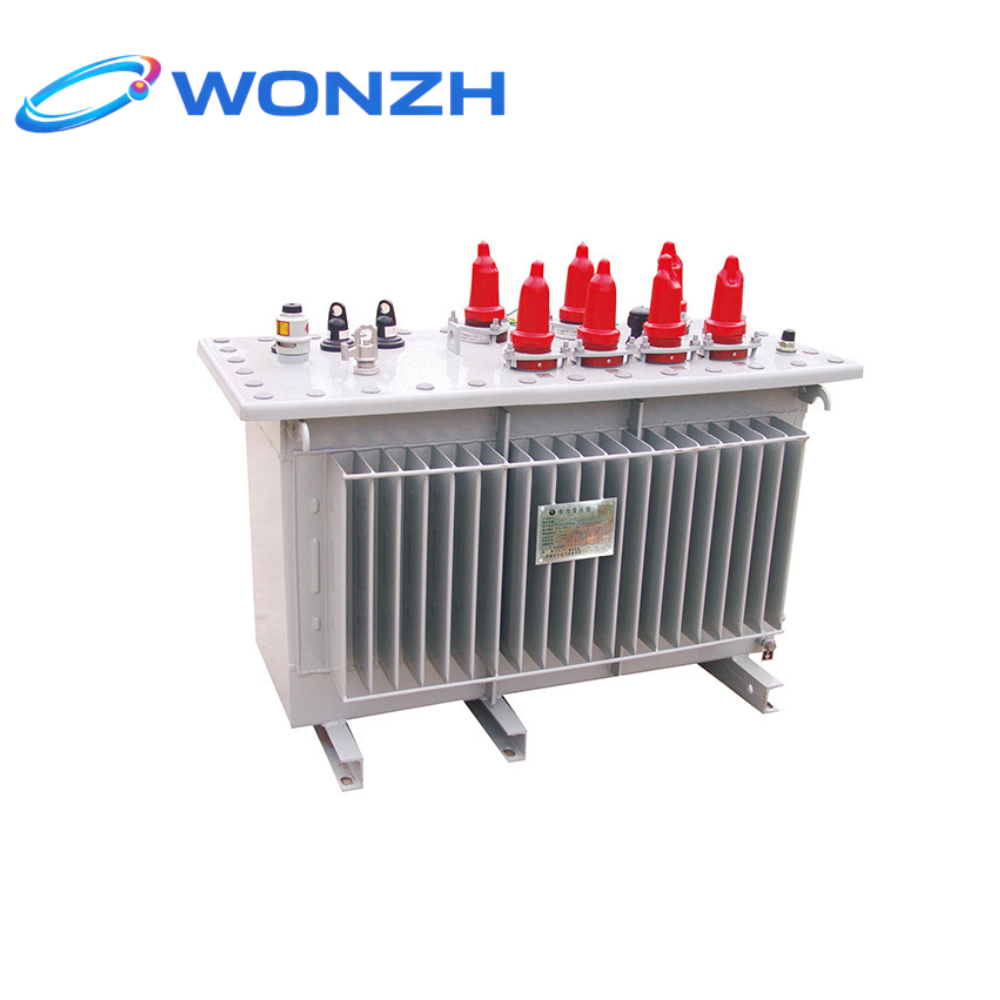
Understanding the Role of Power Transformers
A power transformer is an electrical device used to transfer electrical energy between circuits through electromagnetic induction. Its primary function is to step voltage levels up or down for efficient transmission and distribution.
Power transformers are widely used in:
- Industrial manufacturing plants
- Commercial buildings
- Utility substations
- Renewable energy facilities
- Data centers
- Transportation infrastructure
- Hospitals and public facilities
Proper transformer selection ensures safe power distribution while minimizing energy losses and operational interruptions.
Determine the Required Voltage Ratings
The first step in choosing a power transformer is identifying the required input and output voltage levels. Different facilities operate with different distribution standards depending on equipment type, local regulations, and power system design.
Important considerations include:
- Primary voltage requirements
- Secondary voltage requirements
- System frequency
- Three-phase or single-phase operation
- Utility grid compatibility
Incorrect voltage selection can lead to equipment malfunction, overheating, reduced efficiency, and safety risks.
Evaluate Load Capacity Requirements
Transformer capacity is typically measured in kilovolt-amperes (kVA) or megavolt-amperes (MVA). Selecting the correct capacity is critical for maintaining stable operation and preventing overload conditions.
When calculating transformer size, facilities should consider:
- Total connected load
- Peak demand conditions
- Motor starting currents
- Future load expansion
- Continuous versus intermittent operation
Undersized transformers may overheat and fail prematurely, while oversized transformers can increase installation costs and reduce operational efficiency.
Engineers commonly recommend including a safety margin to accommodate future power growth and temporary load fluctuations.
Choose Between Dry-Type and Oil-Immersed Transformers
One of the most important decisions is selecting between dry-type and oil-immersed transformer designs.
Dry-Type Transformers
Dry-type transformers use air or solid insulation systems instead of insulating oil. They are commonly used indoors and in environments requiring high fire safety standards.
Advantages include:
- Lower fire risk
- Reduced environmental contamination
- Easier indoor installation
- Lower maintenance requirements
- Improved safety in populated areas
Typical applications include:
- Commercial buildings
- Hospitals
- Data centers
- Semiconductor facilities
- Renewable energy systems
Oil-Immersed Transformers
Oil-immersed transformers use insulating oil for cooling and insulation. They are widely used in utility substations and heavy industrial facilities.
Advantages include:
- Higher cooling efficiency
- Greater load capacity
- Better performance in outdoor environments
- Longer service life under heavy loads
These transformers are commonly used in:
- Utility transmission systems
- Mining operations
- Heavy manufacturing plants
- Large-scale renewable energy stations
The choice depends on operational environment, safety requirements, and installation conditions.
Consider Installation Environment
Environmental conditions significantly affect transformer performance and lifespan. Facilities should carefully evaluate installation locations before selecting transformer types and protection levels.
Key environmental factors include:
- Ambient temperature
- Humidity levels
- Dust exposure
- Corrosive chemicals
- Ventilation conditions
- Altitude
- Indoor or outdoor installation
For harsh industrial environments, transformers may require enhanced insulation systems, corrosion-resistant enclosures, or specialized cooling designs.
Focus on Energy Efficiency
Energy efficiency has become increasingly important due to rising electricity costs and global sustainability initiatives. Modern high-efficiency transformers can significantly reduce operational losses over their service life.
Transformer losses generally include:
- Core losses (no-load losses)
- Copper losses (load losses)
High-efficiency transformers offer:
- Reduced energy consumption
- Lower operating costs
- Reduced heat generation
- Improved environmental performance
Facilities operating continuously, such as factories and data centers, can achieve substantial long-term savings by investing in energy-efficient transformer technologies.
Evaluate Cooling Methods
Transformer cooling systems are essential for maintaining safe operating temperatures and preventing insulation degradation.
Common cooling methods include:
- Air natural cooling (AN)
- Air forced cooling (AF)
- Oil natural air natural cooling (ONAN)
- Oil natural air forced cooling (ONAF)
The appropriate cooling method depends on:
- Load requirements
- Installation space
- Ambient conditions
- Operational duty cycles
Proper cooling design improves reliability and extends transformer lifespan.
Consider Safety and Protection Features
Modern transformers often include advanced protection systems to improve operational safety and reduce failure risks.
Important protection features may include:
- Temperature monitoring
- Pressure relief devices
- Overcurrent protection
- Surge protection
- Partial discharge monitoring
- Intelligent diagnostic systems
These technologies help prevent catastrophic failures and improve predictive maintenance capabilities.
Compatibility with Renewable Energy and Smart Grids
As renewable energy systems and smart grid technologies continue to expand, transformer compatibility with modern power infrastructure becomes increasingly important.
Facilities integrating solar, wind, or energy storage systems should consider transformers designed for:
- Variable load conditions
- Bidirectional power flow
- Harmonic mitigation
- Smart monitoring systems
- Grid automation compatibility
Digital transformer technologies can also improve energy management and operational efficiency through remote monitoring and real-time diagnostics.
Maintenance and Lifecycle Costs
Initial purchase price is only one aspect of transformer selection. Long-term operational costs can significantly impact total ownership expenses.
Facilities should evaluate:
- Maintenance requirements
- Spare parts availability
- Expected service life
- Downtime risks
- Energy consumption costs
- Repair accessibility
Reliable transformers with lower maintenance needs often provide better long-term economic value despite higher initial investment.
Compliance with Industry Standards
Power transformers should comply with relevant international and regional standards to ensure safety, quality, and operational reliability.
Common standards include:
- IEC standards
- IEEE standards
- ANSI standards
- ISO certifications
Compliance helps ensure consistent performance and easier integration into existing power systems.
Conclusion
Choosing the right power transformer for a facility requires careful evaluation of electrical requirements, environmental conditions, operational safety, efficiency goals, and long-term maintenance considerations. Both dry-type and oil-immersed transformers offer unique advantages depending on the application and installation environment.
As modern power systems continue evolving toward greater efficiency, automation, and renewable energy integration, transformer selection has become increasingly strategic for industrial and commercial operations. By carefully analyzing system requirements and future expansion needs, facilities can achieve safer, more reliable, and more energy-efficient power distribution systems.