
Electrical power distribution systems are fundamental to modern society, supplying stable electricity to industrial facilities, commercial buildings, transportation networks, renewable energy stations, and residential communities. Within these systems, switchgear serves as one of the most important components for ensuring operational safety, system reliability, and efficient power management.
As electrical networks become increasingly complex due to industrial automation, smart grids, and renewable energy integration, the importance of switchgear technology continues to grow. Modern switchgear systems provide essential functions such as circuit protection, fault isolation, power control, and system monitoring, making them indispensable in electrical power distribution infrastructure.
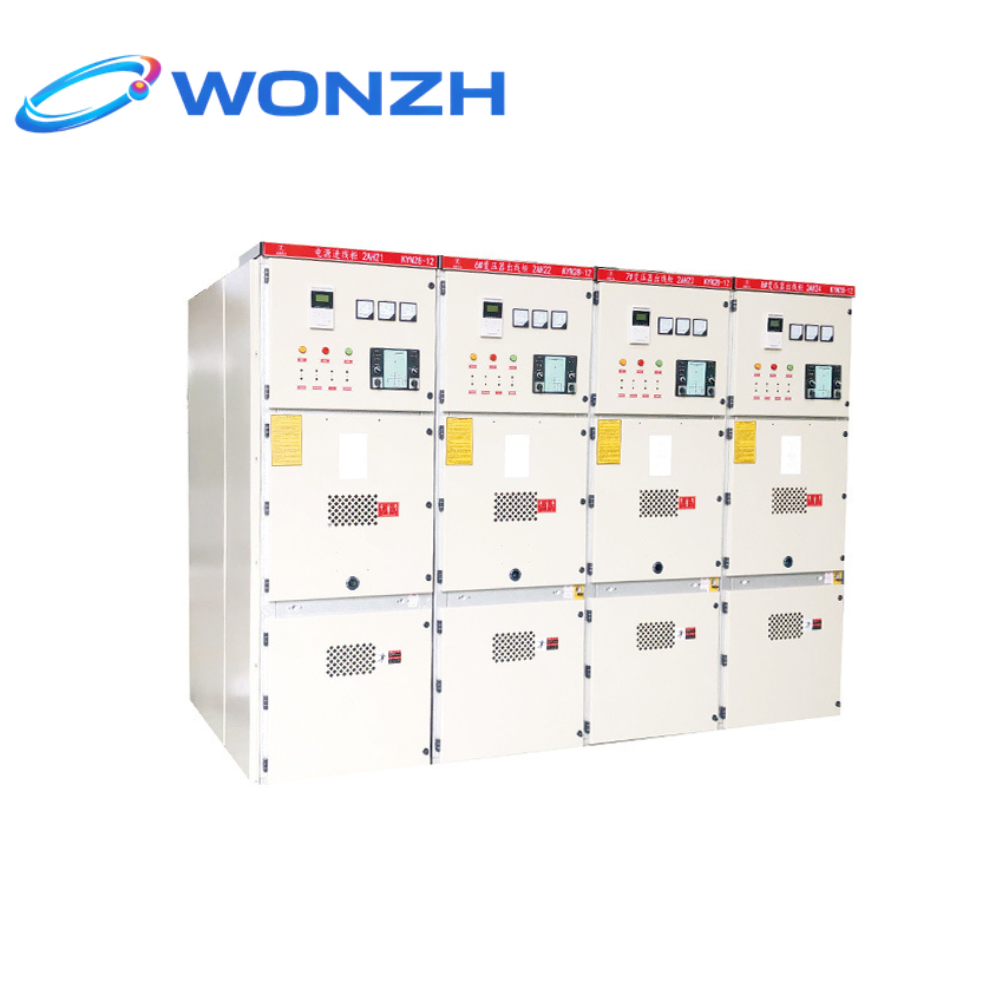
Understanding Switchgear in Power Distribution
Switchgear refers to a combination of electrical switching and protective devices used to control, protect, and isolate electrical equipment within power systems. Typical switchgear assemblies include:
- Circuit breakers
- Disconnect switches
- Protective relays
- Fuses
- Busbars
- Control panels
- Monitoring devices
These components work together to regulate electrical power flow and protect the distribution system from abnormal conditions such as overloads, short circuits, insulation failures, and equipment malfunctions.
Switchgear systems are generally categorized into:
- Low voltage switchgear
- Medium voltage switchgear
- High voltage switchgear
Each category is designed for specific voltage ranges and applications within the power distribution network.
Importance of Switchgear in Electrical Safety
One of the primary roles of switchgear is maintaining electrical safety. Power distribution systems carry large amounts of electrical energy, and faults within these systems can result in severe equipment damage, fire hazards, and operational disruptions.
Switchgear improves safety by:
- Automatically disconnecting faulty circuits
- Preventing electrical overloads
- Isolating damaged equipment
- Reducing arc flash risks
- Protecting personnel from electrical accidents
Modern switchgear systems use advanced protection relays and intelligent monitoring technologies that can detect abnormalities in milliseconds and immediately interrupt dangerous fault currents.
This rapid response capability significantly reduces the risk of catastrophic failures in industrial and utility power systems.
Fault Detection and Isolation
Electrical faults are unavoidable in complex power networks due to equipment aging, insulation breakdown, environmental conditions, or operational errors. Without proper fault management, a single failure can spread across the network and cause widespread outages.
Switchgear plays a critical role in fault detection and isolation by:
- Identifying abnormal current and voltage conditions
- Separating faulty sections from healthy circuits
- Maintaining power continuity in unaffected areas
- Supporting faster system recovery
High-speed circuit breakers and digital relays enable modern switchgear systems to minimize downtime and improve the reliability of electrical distribution networks.
Role in Power System Reliability
Reliable electricity supply is essential for industries, hospitals, transportation systems, data centers, and modern urban infrastructure. Even short-term power interruptions can lead to financial losses, equipment damage, and operational instability.
Switchgear contributes to system reliability through:
- Stable load management
- Controlled power distribution
- Backup power switching
- Redundant protection systems
- Continuous operational monitoring
In industrial environments, switchgear ensures uninterrupted power delivery to production equipment and automation systems, reducing operational risks and improving manufacturing efficiency.
Applications in Industrial Power Distribution
Industrial facilities are among the largest users of electrical power distribution equipment. Manufacturing plants require stable and safe electricity for heavy machinery, motors, robotic systems, and process control equipment.
Switchgear systems are widely used in industries such as:
- Oil and gas
- Mining
- Chemical processing
- Steel manufacturing
- Semiconductor production
- Renewable energy generation
In these applications, switchgear provides motor protection, emergency shutdown capability, and operational flexibility for maintenance and system upgrades.
Advanced industrial switchgear also supports intelligent energy management systems that improve efficiency and reduce operational costs.
Integration with Renewable Energy Systems
The expansion of renewable energy sources such as solar and wind power has increased the complexity of electrical power distribution systems. Renewable energy generation is often variable and decentralized, requiring flexible and reliable control infrastructure.
Switchgear supports renewable energy integration by:
- Connecting renewable sources to the grid
- Managing voltage fluctuations
- Protecting inverters and transformers
- Supporting energy storage systems
- Enabling distributed power control
Modern switchgear designs help maintain grid stability while supporting the global transition toward cleaner energy systems.
Smart Grid and Digital Switchgear Technologies
The development of smart grids has transformed traditional switchgear into intelligent digital systems capable of real-time monitoring and automated operation.
Modern digital switchgear may include:
- Remote communication systems
- Intelligent electronic devices (IEDs)
- Predictive maintenance capabilities
- Real-time diagnostic monitoring
- Automated fault analysis
These technologies improve operational efficiency, reduce maintenance requirements, and enhance overall grid reliability.
Digital switchgear also allows utility operators to remotely monitor substations and distribution systems, improving response speed during emergencies or equipment failures.
Environmental and Space Efficiency Advantages
Modern switchgear technology increasingly focuses on environmental sustainability and compact design. Gas-insulated switchgear (GIS) and modular switchgear systems reduce installation space while improving operational efficiency.
Eco-friendly switchgear solutions are being developed to:
- Reduce greenhouse gas emissions
- Improve energy efficiency
- Lower maintenance requirements
- Minimize environmental impact
Compact switchgear systems are especially valuable in urban substations, offshore facilities, and renewable energy projects where installation space is limited.
Future Development of Switchgear Systems
As electrical infrastructure evolves, switchgear technology will continue to advance toward greater intelligence, automation, and sustainability.
Future trends include:
- AI-based fault prediction
- Advanced cybersecurity protection
- Fully automated substations
- Smart microgrid integration
- Environmentally friendly insulation technologies
These developments will further strengthen the role of switchgear in modern electrical power distribution systems.
Conclusion
Switchgear is a vital component in electrical power distribution, ensuring the safe, reliable, and efficient operation of modern power systems. From industrial manufacturing and renewable energy integration to smart grids and urban infrastructure, switchgear provides essential protection, control, and fault management capabilities.
As energy demand continues to rise and electrical networks become more intelligent and interconnected, the importance of advanced switchgear technology will continue to grow. Through continuous innovation in digital monitoring, automation, and sustainable engineering, switchgear systems will remain at the center of future power distribution development.