Power system reliability is not achieved by maintenance alone—it is fundamentally determined during the equipment selection and system design stage. For industrial plants, substations, commercial buildings, and infrastructure projects, choosing the right electrical equipment directly affects uptime, safety, and lifecycle cost.
This guide explains how proper selection of key components such as transformers and switchgear can significantly improve overall system reliability.

1. Why Equipment Selection Determines System Reliability
In power systems, failures often originate from mismatched or undersized equipment, not just operational issues.
Key Risk Factors:
- Overloaded transformers
- Improper switchgear ratings
- Poor environmental matching (indoor/outdoor mismatch)
- Inadequate protection coordination
Engineering Insight:
A well-designed system can reduce unplanned outages by 30–70%, depending on application complexity.
2. Transformer Selection: The Core of System Stability
Transformers are the backbone of any power distribution network.
Key Selection Factors:
- Load capacity (kVA / MVA rating)
- Cooling method (oil-immersed vs dry-type)
- Installation environment (indoor/outdoor)
- Efficiency and loss levels
- Overload capability
Practical Guidance:
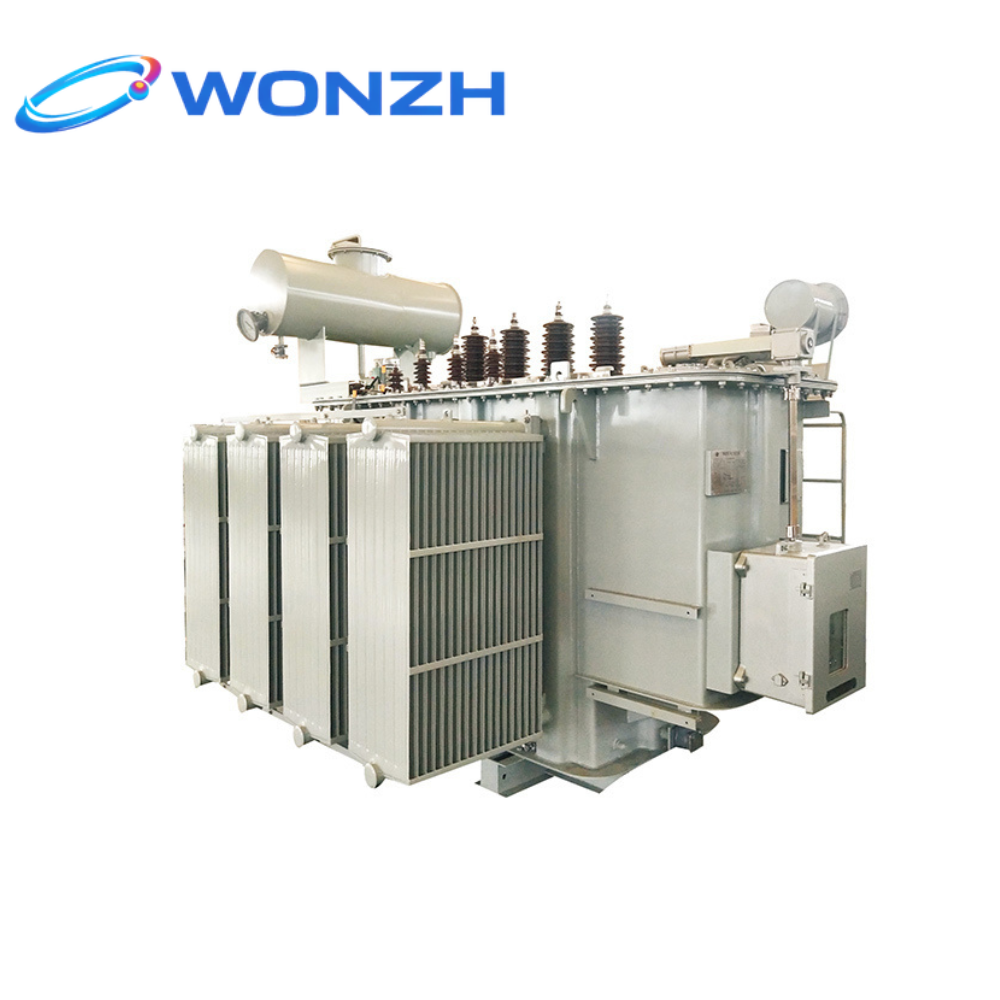
- Oil-immersed transformers → best for high-load, outdoor, industrial applications
- Dry-type transformers → ideal for indoor, fire-sensitive environments
Reliability Impact:
Incorrect transformer sizing is one of the most common causes of thermal failure and insulation breakdown.
3. Switchgear Selection: Protection and Control Reliability
Switchgear ensures safe operation, isolation, and fault protection.
Key Considerations:
- Voltage level compatibility (LV/MV/HV)
- Short-circuit breaking capacity
- Arc fault protection
- Indoor vs outdoor design
- Automation and monitoring capability
Engineering Insight:
High-quality switchgear reduces fault propagation and improves selective tripping coordination, preventing system-wide shutdowns.
4. Protection Devices and System Coordination
A reliable power system depends on properly coordinated protection devices.
Essential Components:
- Circuit breakers
- Protection relays
- Surge arresters
- Fault detection systems
Key Principle:
Protection devices must operate in a selective hierarchy, isolating only the faulty section without affecting the entire system.
5. Environmental and Application Matching
Equipment must be selected based on real operating conditions:
Environmental Factors:
- Temperature range
- Humidity and dust levels
- Altitude
- Corrosive environments
Application Types:
- Industrial plants (heavy load, continuous operation)
- Commercial buildings (safety priority)
- Renewable energy systems (variable load conditions)
- Utility substations (high voltage stability)
Best Practice:
Ignoring environmental conditions is a major cause of premature equipment failure.
6. Total Cost vs Reliability Balance
| Factor | Low-Cost Selection | Optimized Selection |
|---|---|---|
| Initial Cost | Lower | Moderate |
| Maintenance Cost | Higher | Lower |
| Failure Risk | Higher | Lower |
| System Downtime | Frequent | Minimal |
| Lifecycle Value | Poor | High |
Engineering Insight:
Investing in higher-quality equipment often reduces total lifecycle cost by improving reliability and reducing downtime.
7. Digital Monitoring and Smart Systems
Modern power systems increasingly rely on digital monitoring.
Key Technologies:
- SCADA systems
- IoT-based transformer monitoring
- Predictive analytics
- Remote fault detection
Benefit:
Real-time monitoring improves decision-making and reduces unexpected failures.
8. Conclusion
Improving power system reliability starts with correct equipment selection, not just maintenance.
To build a stable and efficient system:
- Select transformers based on load and environment
- Choose properly rated switchgear
- Ensure protection coordination
- Match equipment to real operating conditions
- Adopt digital monitoring where possible
A well-designed system significantly reduces downtime, improves safety, and ensures long-term operational stability.
9. About Us
We provide:
- Oil-immersed transformers
- Dry-type transformers
- High and low voltage switchgear
With strong engineering capability and strict quality control, we support global clients in building reliable and efficient power distribution systems.
👉 Contact us for technical selection support and project solutions.