
La fiabilidad del sistema eléctrico no se consigue sólo con el mantenimiento, sino que se determina fundamentalmente durante el fase de selección de equipos y diseño del sistema. En plantas industriales, subestaciones, edificios comerciales y proyectos de infraestructuras, la elección del equipo eléctrico adecuado afecta directamente al tiempo de actividad, la seguridad y el coste del ciclo de vida.
Esta guía explica cómo la selección adecuada de componentes clave como transformadores y aparamenta puede mejorar significativamente la fiabilidad general del sistema.
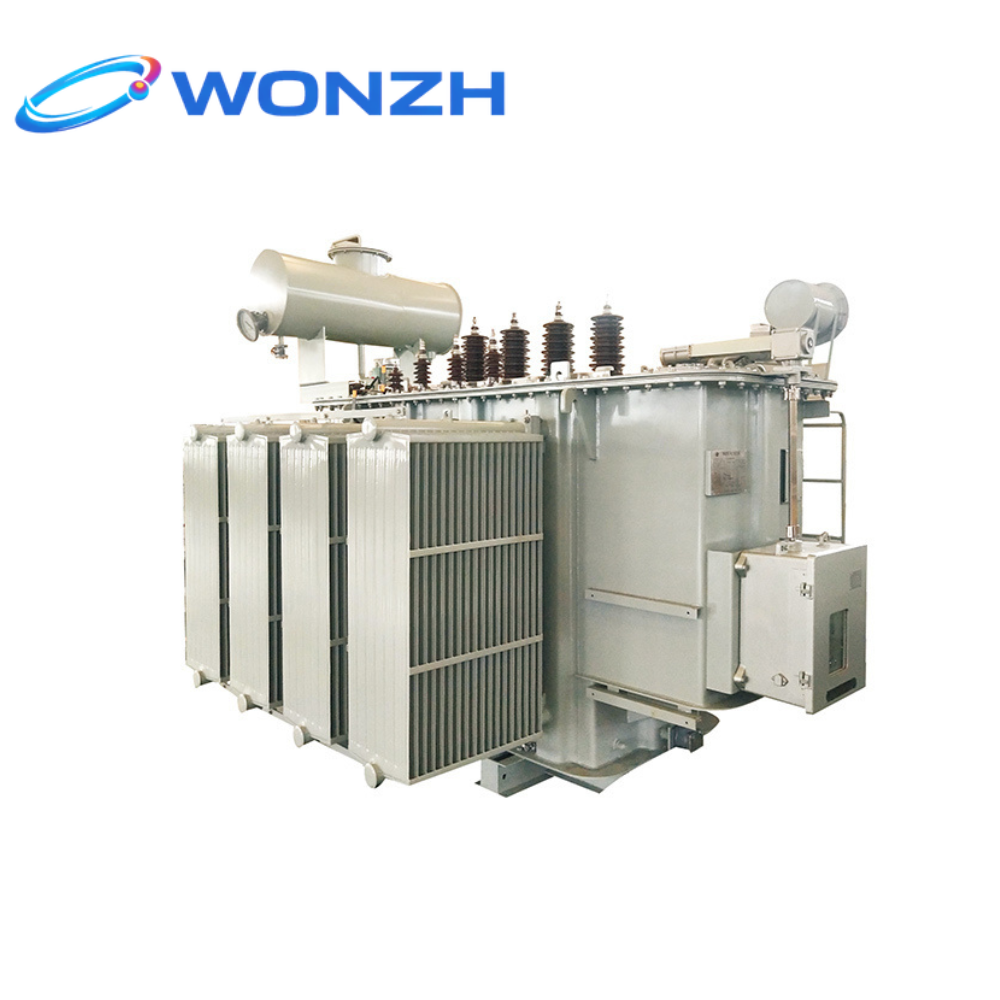
1. Por qué la selección de equipos determina la fiabilidad del sistema
En los sistemas eléctricos, los fallos suelen tener su origen en equipos inadaptados o de tamaño insuficiente, no sólo cuestiones operativas.
Principales factores de riesgo:
- Transformadores sobrecargados
- Valores nominales inadecuados
- Mala adaptación ambiental (desajuste interior/exterior)
- Coordinación inadecuada de la protección
Conocimientos de ingeniería:
Un sistema bien diseñado puede reducir las interrupciones imprevistas mediante 30-70%, en función de la complejidad de la aplicación.
2. Selección del transformador: El núcleo de la estabilidad del sistema
Los transformadores son la columna vertebral de cualquier red de distribución eléctrica.
Factores clave de selección:
- Capacidad de carga (kVA / MVA nominal)
- Método de refrigeración (en baño de aceite o en seco)
- Entorno de instalación (interior/exterior)
- Niveles de eficiencia y pérdidas
- Capacidad de sobrecarga
Orientación práctica:
- Transformadores sumergidos en aceite → lo mejor para aplicaciones industriales de alta carga al aire libre
- Transformadores de tipo seco → ideal para interiores, entornos sensibles al fuego.
Impacto en la fiabilidad:
El dimensionado incorrecto de los transformadores es una de las causas más comunes de fallo térmico y rotura del aislamiento.
3. Selección de aparamenta: Protección y control Fiabilidad
La aparamenta garantiza la seguridad del funcionamiento, el aislamiento y la protección contra fallos.
Consideraciones clave:
- Compatibilidad de niveles de tensión (BT/MT/AT)
- Poder de corte en cortocircuito
- Protección contra fallos de arco
- Diseño interior frente a diseño exterior
- Capacidad de automatización y supervisión
Conocimientos de ingeniería:
La aparamenta de alta calidad reduce la propagación de fallos y mejora coordinación de disparo selectivo, evitando paradas del sistema.
4. Dispositivos de protección y coordinación del sistema
Un sistema eléctrico fiable depende de la correcta coordinación de los dispositivos de protección.
Componentes esenciales:
- Disyuntores
- Relés de protección
- Descargadores de sobretensión
- Sistemas de detección de fallos
Principio clave:
Los dispositivos de protección deben funcionar de forma jerarquía selectiva, aislando sólo la sección defectuosa sin afectar a todo el sistema.
5. Correspondencia medioambiental y de aplicación
Los equipos deben seleccionarse en función de las condiciones reales de funcionamiento:
Factores medioambientales:
- Temperatura
- Niveles de humedad y polvo
- Altitud
- Entornos corrosivos
Tipos de aplicación:
- Plantas industriales (carga pesada, funcionamiento continuo)
- Edificios comerciales (prioridad de seguridad)
- Sistemas de energía renovable (condiciones de carga variable)
- Subestaciones eléctricas (estabilidad de alta tensión)
Buenas prácticas:
Ignorar las condiciones ambientales es una de las principales causas de fallo prematuro del equipo.
6. Coste total frente a fiabilidad
| Factor | Selección económica | Selección optimizada |
|---|---|---|
| Coste inicial | Baja | Moderado |
| Coste de mantenimiento | Más alto | Baja |
| Riesgo de fracaso | Más alto | Baja |
| Tiempo de inactividad del sistema | Frecuente | Mínimo |
| Valor del ciclo de vida | Pobre | Alta |
Conocimientos de ingeniería:
Invertir en equipos de mayor calidad suele reducir el coste total del ciclo de vida al mejorar la fiabilidad y reducir los tiempos de inactividad.
7. Supervisión digital y sistemas inteligentes
Los sistemas eléctricos modernos dependen cada vez más de la supervisión digital.
Tecnologías clave:
- Sistemas SCADA
- Monitorización de transformadores basada en IoT
- Análisis predictivo
- Detección remota de averías
Beneficio:
La supervisión en tiempo real mejora la toma de decisiones y reduce los fallos inesperados.
8. Conclusión
La mejora de la fiabilidad del sistema eléctrico empieza por selección correcta del equipo, no sólo de mantenimiento.
Construir un sistema estable y eficaz:
- Seleccionar transformadores en función de la carga y el entorno
- Elija la aparamenta adecuada
- Garantizar la coordinación de la protección
- Adaptar los equipos a las condiciones reales de funcionamiento
- Adoptar la supervisión digital siempre que sea posible
Un sistema bien diseñado reduce significativamente el tiempo de inactividad, mejora la seguridad y garantiza la estabilidad operativa a largo plazo.
9. Quiénes somos
Proporcionamos:
- Transformadores sumergidos en aceite
- Transformadores de tipo seco
- Aparamenta de alta y baja tensión
Con una sólida capacidad de ingeniería y un estricto control de calidad, ayudamos a clientes de todo el mundo a construir sistemas de distribución de energía fiables y eficientes.
👉 Póngase en contacto con nosotros para obtener ayuda en la selección técnica y soluciones para sus proyectos.