
Oil-immersed transformers play a critical role in modern power distribution systems, especially in industrial, utility, and infrastructure applications. Known for their high efficiency, strong overload capacity, and excellent heat dissipation, these transformers are widely used where reliability and long-term performance are essential.
This article explores the key applications of oil-immersed transformers and explains why they remain a preferred choice in large-scale electrical networks.
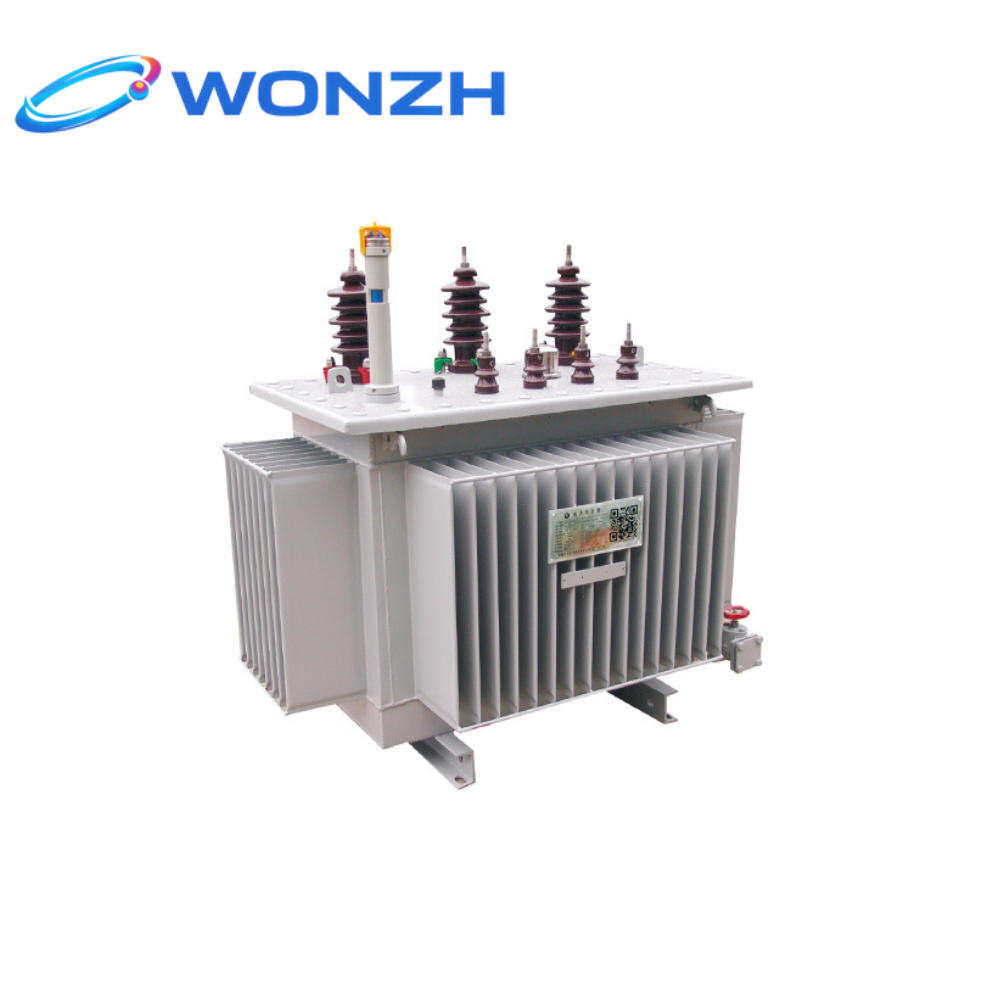
1. Utility Substations and Grid Distribution
Oil-immersed transformers are most commonly deployed in utility substations, where they step down high transmission voltages to usable distribution levels.
Key Roles:
- Voltage transformation (e.g., 110kV → 10kV)
- Grid stability and load balancing
- Continuous operation under high load conditions
Why Oil Type?
Their superior cooling performance allows stable operation under heavy loads and fluctuating demand.
2. Industrial Power Distribution Systems
In heavy industries such as steel, mining, cement, and manufacturing, oil-immersed transformers are essential for powering large equipment and production lines.
Typical Applications:
- Supplying high-power motors and machinery
- Supporting continuous production processes
- Handling voltage fluctuations in demanding environments
Engineering Advantage:
Oil-immersed transformers can withstand high thermal and electrical stress, making them ideal for harsh industrial conditions.
3. Renewable Energy Integration
With the rapid growth of renewable energy, oil-immersed transformers are widely used in solar and wind power plants.
Key Functions:
- Step-up voltage from generation level to grid level
- Ensure stable grid connection
- Manage variable load output
Why Oil Type?
Their reliability and efficiency are critical for remote installations where maintenance access is limited.
4. Urban and Infrastructure Projects
6
Oil-immersed transformers are also used in large-scale infrastructure projects, especially where outdoor installation is feasible.
Common Use Cases:
- Railways and metro systems
- Airports and logistics hubs
- Large commercial or mixed-use developments
Consideration:
Although dry-type transformers are often preferred indoors, oil-immersed units are still widely used outdoors or in dedicated substations.
5. Rural Electrification and Remote Areas
6
In rural and remote regions, oil-immersed transformers are commonly used for local power distribution networks.
Advantages:
- High durability in harsh environments
- Lower cost compared to dry-type units
- Easy integration with overhead distribution lines
Practical Insight:
Their simple design and strong reliability make them ideal for long-term unattended operation.
6. Key Advantages Across Applications
Across all these scenarios, oil-immersed transformers offer several consistent benefits:
- High efficiency for large-scale power transmission
- Excellent cooling performance for continuous operation
- Strong overload capability
- Long service life (20–30 years with proper maintenance)
- Cost-effective for high-capacity systems
7. Limitations and Considerations
Despite their advantages, oil-immersed transformers require careful planning:
- Fire safety measures due to insulating oil
- Oil leakage prevention and environmental protection
- Regular maintenance (oil testing, insulation monitoring)
These factors must be considered during system design and installation.
8. Conclusion
Oil-immersed transformers remain a cornerstone of modern power distribution systems due to their robust performance, scalability, and cost efficiency.
They are particularly suitable for:
- Utility grids
- Industrial facilities
- Renewable energy plants
- Outdoor and remote installations
For engineers and project planners, selecting the right transformer type based on application environment, load requirements, and safety considerations is essential for achieving long-term reliability.